Electric Bike Maintenance Checklist: What to Check Before Every Ride

Electric Bike Maintenance Checklist: What to Check Before Every Ride
A regular electric bike maintenance checklist helps riders find loose, worn or damaged parts before they cause a breakdown. E-bikes place additional weight and force through tyres, brakes and the drivetrain, so small problems should not be ignored.
Most pre-ride checks take only a few minutes. More technical adjustments should follow the manufacturer’s manual and be completed by a competent mechanic when the owner does not have the correct tools or experience. Never guess torque settings or open the battery, motor or controller.
Two-minute electric bike maintenance checklist
Air: squeeze or gauge-check both tyres, compare pressure with the sidewall range and inspect for cuts, bulges, glass or exposed casing.
Brakes: pull both levers firmly, confirm each brake responds and check that a lever does not reach the handlebar.
Chain and drivetrain: look for heavy dirt, rust, stiff links or a chain that is unusually loose. Turn the cranks and listen for abnormal noise.
Electric system: check that the battery is locked in place, the display starts normally, cables are secure and no error message appears.
Controls and steering: confirm the handlebar, stem, saddle, pedals and folding locks feel secure with no unexpected movement.
Lights and reflectors: test them before low-light or night riding and make sure they are clean and visible.
Before setting off, check the tyres, brakes, lights and reflectors. The bike must have effective brakes, while the correct lights and reflectors are essential when riding at night.
Check electric bike tyres and wheels
Use the pressure range marked on the tyre sidewall, adjusted sensibly for rider weight, surface and manufacturer guidance. Under-inflation can make steering vague, increase rolling resistance and create pinch or rim damage. Over-inflation can reduce comfort and grip.
Spin each wheel and look for side-to-side movement, rubbing, damaged spokes or a tyre that does not sit evenly on the rim. Check that wheel axles or quick-release systems are correctly secured. Fat tyres can hide low pressure by appearance alone, so a gauge is useful.
Check electric bike brakes
Test the front and rear brake separately while stationary, then perform a controlled low-speed test in a safe area. Listen for scraping, grinding or persistent squealing and check whether the bike pulls to one side.
Disc-brake pads and rotors wear and can become contaminated. Keep oil and chain lubricant away from braking surfaces. Hydraulic systems should be inspected for leaks and a soft or spongy lever. Mechanical brake cables should not be frayed or badly corroded. If braking performance has changed, stop riding until the cause is identified.
Maintain the chain, gears and motor drivetrain
Remove loose dirt with a suitable brush or cloth, apply bicycle chain lubricant sparingly and wipe off the excess. Too much lubricant attracts grit. Do not treat water-displacing spray as chain lubricant unless the product is specifically approved for that purpose.
Gears should change without the chain jumping or falling off. A mid-drive e-bike passes motor force through the chain and gears, which can increase drivetrain wear. Change gear smoothly, reduce heavy pedal pressure during shifts and have chain wear checked regularly.
Inspect bolts, hinges and contact points
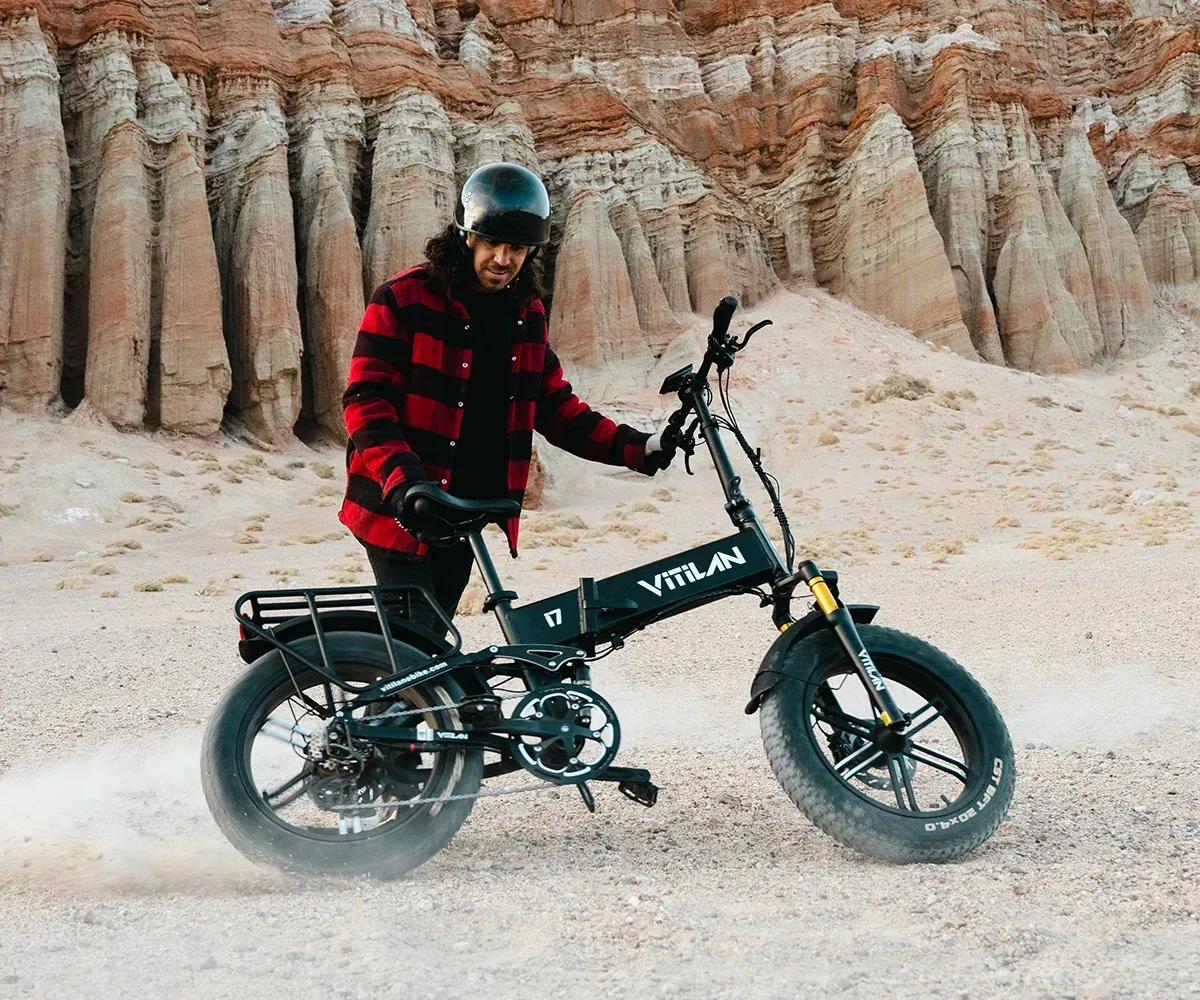
Check the handlebar, stem, saddle, pedals, crank arms, racks and mudguards for movement. Folding e-bikes also need the main frame hinge and folding stem latch inspected according to the manual. A latch that does not close fully, has unusual play or is visibly damaged requires attention before riding.
Use the manufacturer’s torque values and a suitable torque wrench for critical fasteners. More force is not always safer; overtightening can damage threads, clamps and lightweight components.
Inspect the battery and electrical system
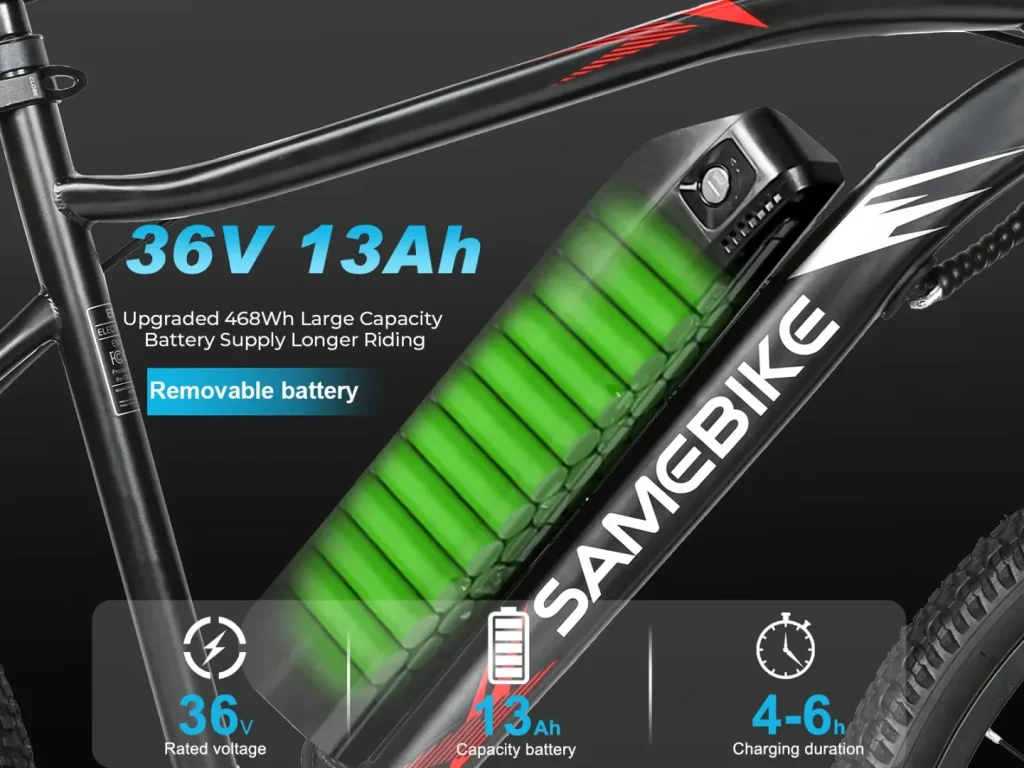
The battery should sit firmly in its mount and lock correctly. Check the casing, contacts, charging port and nearby cables for damage, moisture, discoloration or unusual heat. Do not ride or charge a battery that is swollen, cracked, leaking or has been seriously dropped.
Look along the visible cables near folding points, the handlebar and the motor axle. They should not be pinched, stretched or rubbing against sharp edges. Do not open electrical housings or alter wiring. Use the correct charger and arrange qualified diagnosis for repeated display errors or power cut-outs.
How to clean an electric bike safely
Switch the system off and remove the battery if the manual instructs you to do so.
Use a soft brush, damp cloth or low-pressure water suitable for the bike’s stated protection level.
Do not use a pressure washer on bearings, suspension seals, motor areas, electrical connectors or the battery.
Use separate clean materials for the drivetrain and brake areas so grease is not transferred to rotors or pads.
Dry the bike, especially bolt heads, chain, charging port and places where water can collect.
Lubricate the chain only after it is clean and dry, then wipe away excess product.
Weekly, monthly and seasonal e-bike maintenance
Weekly or after demanding rides
Inspect tyre condition, brake response, chain cleanliness, battery mounting, folding latches and visible cables. Clean mud and road salt promptly. After a strong impact, pothole strike or fall, carry out a fuller inspection before the next ride.
Monthly
Check brake-pad wear, rotor condition, spoke tension, wheel security, drivetrain wear, racks, mudguards and all contact points. Frequency should increase for heavy riders, high mileage, wet weather or rough routes.
Seasonally or at the manufacturer’s interval
Arrange a competent service that covers brakes, wheels, headset, bottom bracket, suspension, drivetrain and electrical diagnostics where supported. Firmware or display updates should come only from the manufacturer or an approved service source.
New electric bike assembly and first service
Many e-bikes arrive partly assembled. Correctly fitting the front wheel, handlebar, pedals, lights and accessories is a safety task, not only packaging removal. Follow the model manual, observe left and right pedal threads and use the stated torque settings. If anything is unclear, use a competent bicycle mechanic.
New cables, spokes, brake pads and fasteners can settle during early use. Follow the manufacturer’s first-service recommendation and recheck safety-critical parts after the initial rides.
When to stop riding and arrange professional help
Reduced, uneven or unpredictable braking.
A loose wheel, handlebar, crank, pedal, hinge or folding latch.
Cracks, bending or impact damage to the frame or fork.
A tyre bulge, exposed casing or wheel that no longer runs correctly.
Battery swelling, leaking, unusual heat, smell or noise.
Damaged wiring, sparking, repeated error codes or sudden electrical cut-outs.
Grinding bearings, severe chain skipping or suspension leakage.
Safe riding after your maintenance check
A well-maintained bike still needs appropriate riding. Wear a correctly fitted helmet, use lights when required and remain visible in poor conditions. Allow extra braking distance in rain, on loose surfaces and when carrying weight. Start the ride at low speed and confirm that steering, gears, assistance and brakes behave normally.
The aim of maintenance is not to remove every risk. It is to keep the bike predictable, identify change early and ensure that repairs are completed before a fault becomes dangerous or expensive.
Electric bike maintenance FAQs
How often should an electric bike be serviced?
Follow the manufacturer’s schedule and adjust it for mileage, load, weather and terrain. Frequent commuting or off-road use normally requires more regular checks than occasional dry-weather leisure riding.
Can I pressure wash an e-bike?
Do not use a pressure washer. High-pressure water can enter bearings, suspension seals and electrical areas. Use low-pressure cleaning methods allowed by the manual.
Why do my brakes squeal?
Possible causes include water, dirt, pad or rotor contamination, glazing, wear or alignment. If braking has weakened or the noise continues, arrange inspection rather than applying lubricant.
Should I tighten every bolt as hard as possible?
No. Critical parts have specified torque values. Overtightening can damage components and threads, while undertightening can allow movement. Use the manual and a suitable torque wrench.
Can I work on the battery myself?
Routine external inspection is sensible, but do not open or repair a lithium-ion pack yourself. Battery work requires suitable equipment, training and safe handling procedures.
MegaScootz electric bike link
Source: MegaScootz – Shop electric bikes